







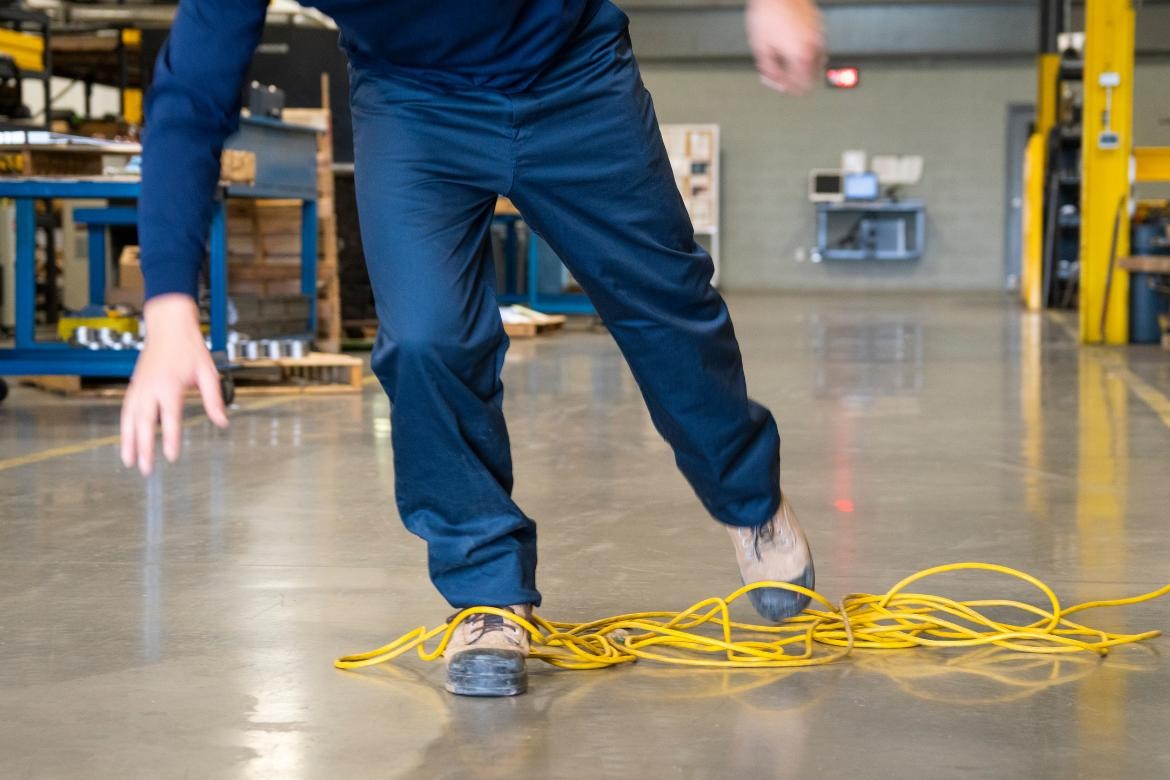
Slip and fall accidents often seem simple to outsiders, yet behind every claim is a complex sequence of events that unfolds long before the injured individual meets with an attorney. Reconstructing these incidents helps explain how Florida law evaluates responsibility and why seemingly minor details can shape the entire case. By walking through a realistic scenario, it becomes clear how an innocent moment in a public space can lead to months of medical care, investigative work, and legal analysis. Firms such as Chalik and Chalik, which exclusively represent injured individuals, rely on this type of reconstruction to reveal the truth that a property owner or insurer may overlook or dispute.
Imagine a visitor entering a large Florida supermarket on a warm afternoon. The store’s air conditioning creates a cool rush of air as she steps inside, and the transition feels refreshing after the bright sun outside. She pushes a cart into the produce section, where she has walked many times before. Unknown to her, a spill from a damaged container of grapes has created a slick patch on the polished floor. Shoppers have walked through the area for the past twenty minutes, spreading moisture and grape skins across the tiles. The store’s last documented inspection was nearly an hour earlier, and staff members in the department have been occupied with restocking shelves.
As she turns her cart toward a display of oranges, her foot hits the moisture. The slip happens instantly—her leg shoots forward, her balance disappears, and she collapses with a sharp impact on her hip and wrist. Pain radiates through her arm as she struggles to sit up. A nearby shopper calls for help, and an employee rushes over, visibly surprised by the pooled liquid. The employee retrieves a yellow warning sign and a towel, but the damage is already done. The injured woman feels disoriented, embarrassed, and frightened, unsure whether she can stand without assistance.
From this moment forward, the legal case begins—long before any attorney is contacted. When store staff write an incident report, they record their version of what happened. If the employee writes that the spill “just occurred,” this wording becomes a point of contention later. If surveillance footage exists, the timeline captured will either confirm or contradict the store’s account. The woman’s pain intensifies as she is escorted to a bench, and she realizes she may need medical attention. At the same time, the store’s risk management procedures are already in motion, and supervisors begin discussing how to respond.
Once medical treatment begins, the documentation expands significantly. X-rays may show a fractured wrist. Initial examination notes may describe swelling, reduced range of motion, or nerve pain. These records become crucial in proving the injury’s severity and its direct connection to the fall. If the injuries require long-term care or physical therapy, each appointment creates another entry in the medical chronology. Meanwhile, the supermarket’s insurance company will eventually review the incident and begin building its own narrative, often focusing on whether the woman “should have seen” the hazard or whether she was distracted.
For the injured woman, the next step is to seek legal help. When she meets with attorneys like Chalik and Chalik, she is guided through the process of gathering every available piece of evidence. The attorneys request surveillance footage, incident reports, maintenance logs, and employee statements. They analyze whether the hazard existed long enough that the store should have known about it—a key requirement under Florida Statutes §768.0755. This law demands that victims prove the business had actual or constructive knowledge of the dangerous condition, which becomes the central issue in many supermarket-related slip and fall claims. Similar analyses appear in discussions of Publix slip and fall litigation, where courts frequently examine how long hazards were present and whether inspection routines were followed.
During the investigation, the attorneys uncover gaps in the supermarket’s inspection procedures. Logs show irregular intervals between checks. Employee testimony reveals that the produce section often experiences spills during busy hours but is understaffed during peak times. Additional information shows that similar incidents occurred in the same area previously. These findings support a pattern of recurring hazards, strengthening the argument that the store should have anticipated the risk and taken preventive measures.
Insurers, however, rarely accept responsibility easily. They may argue that the woman contributed to her own injury by failing to notice the hazard or by walking too quickly. They may claim the spill was too new for employees to discover. These defense strategies mirror those seen in other major retail cases, including those discussed in Walmart slip and fall claims, where disputes often center on inspection frequency and visibility of the hazard.
As the case progresses, attorneys reconstruct the timeline minute by minute. They analyze how long the spill was present, whether proper procedures were followed, and whether earlier intervention could have prevented the fall. The woman’s medical records demonstrate the real harm she suffered—not just physically, but financially and emotionally. Reduced ability to work, mounting medical expenses, and chronic pain all shape the damages she seeks. This reconstruction shows that the incident was not a random accident but a predictable consequence of inadequate safety practices.
Slip and fall cases in Florida may appear straightforward at first glance, but the truth is revealed through careful reconstruction and thorough investigation. By examining every detail—from the moment the hazard formed to the final stages of legal review—attorneys can build a compelling case that holds negligent parties accountable. For injured individuals, this process ensures that their voices are heard and their experiences validated. Through meticulous work and steadfast advocacy, firms like Chalik and Chalik help transform a single painful moment into a clear path toward justice and recovery.